
Looking for hidden gems in Chicago?
How about a museum of vintage taxidermy, magic shows behind a laundromat entrance?
Or strolling through a former quarry without leaving the city?
I’ve found unique small museums, great independent shops and some rather odd gardens and historic buildings.
Some are easy additions to a day downtown, and others are definitely worth a separate trip.
So grab a drink and let’s explore some of the more unusual attractions in Chicago.
For the city’s major sights, take a look at our guide to the best things to do in Chicago
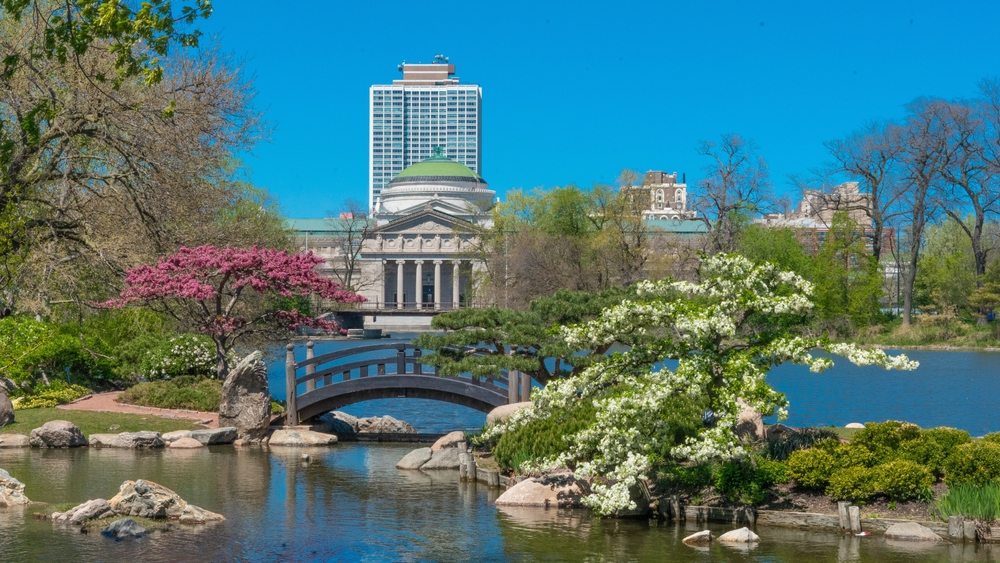
Hidden Gems In Chicago At A Glance
| Place | Area | What you’ll find | Time to allow |
|---|---|---|---|
| The Insect Asylum | Near Logan Square and Avondale | Vintage taxidermy, insect specimens and workshops | 45–90 minutes |
| Chicago Magic Lounge | Andersonville | Close-up and stage magic behind a launderette facade | An evening |
| Alfred Caldwell Lily Pool | Lincoln Park | Stone paths, a waterfall and wildlife | 30–45 minutes |
| International Museum of Surgical Science | Gold Coast | Medical collections inside a historic mansion | 1–2 hours |
| Palmisano Park | Bridgeport | Old quarry walls, wetlands and skyline views | 45–60 minutes |
| Quimby’s Bookstore | Wicker Park | Zines, independent comics and small-press books | 30–60 minutes |
| Glessner House | Prairie Avenue, South Loop | Historic rooms and original family possessions | 75-minute full house tour |
| Osaka Garden | Jackson Park | A Japanese garden on Wooded Island | 30–45 minutes |
| The Rookery | Loop | A light court remodelled by Frank Lloyd Wright | 45–60-minute guided tour |
| Montrose Point Bird Sanctuary | Uptown lakefront | Birdwatching trails and the “Magic Hedge” | 45–90 minutes |
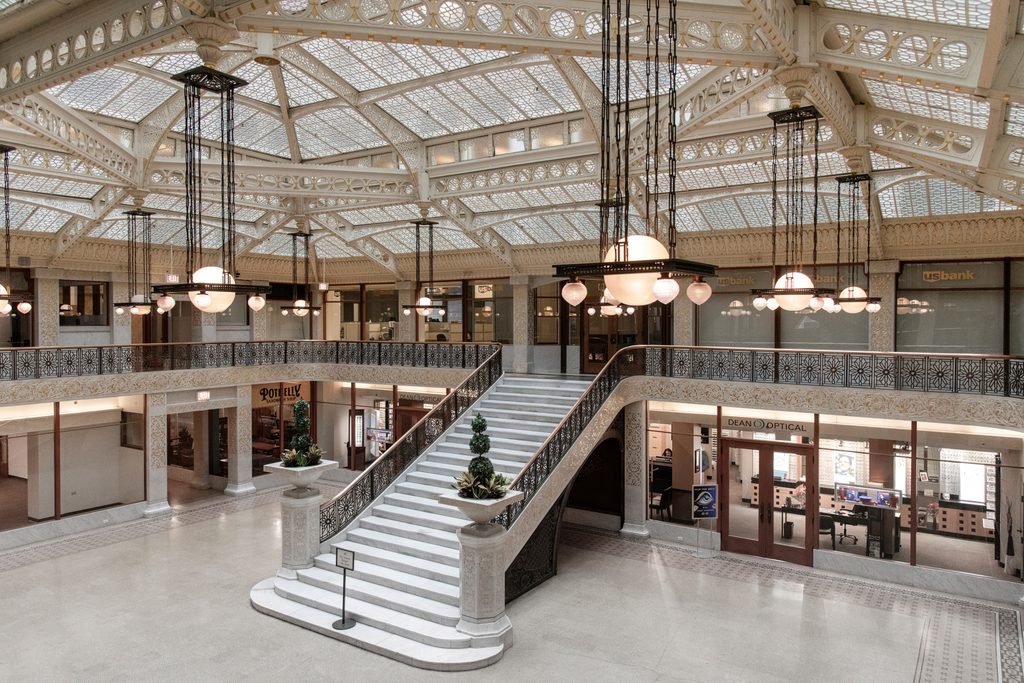
The Rookery
The Rookery is well known among architecture enthusiasts,
but its interior is easy to overlook if you’re concentrating on Chicago’s skyscrapers.
It is a historic office building in downtown Chicago known for its light court.
The light court is a central space with a glass roof, decorative ironwork, white marble, and an elaborate staircase.
Burnham and Root designed the building in 1888, and Frank Lloyd Wright remodeled the light court and lobbies in 1905.
A guided tour explains which features belong to the different architects and how the interior changed over time.
There’s also a longer tour that includes the Burnham Library, where architects discussed plans for the 1893 World’s Columbian Exposition.
Its downtown location makes this one of the easiest stops to fit into a weekday itinerary.
Plan your visit: Find the Rookery at 209 S. LaSalle Street. Guided tours currently run on weekdays, and booking is recommended.
Check the available options before choosing between the 45-minute and 60-minute tours.
See the Frank Lloyd Wright Trust’s Rookery tours.
The Insect Asylum
It is a museum of vintage taxidermy, preserved specimens, live insects, and art.
If you’re looking for unusual things to do in Chicago, this is a good place to start.
The museum has more than 5,000 specimens, with displays that combine natural history and artwork.
You can also book classes in insect pinning and specimen preservation.
It’s a strong choice for anyone interested in natural history or unusual art.
The shop sells work by local independent artists, so leave time to browse if you’d like something different to take home.
Plan your visit: 2870 N. Milwaukee Avenue.
Walk-ins are welcome during opening hours; check the calendar and book workshops separately.
The museum currently closes on Mondays and Tuesdays.
Check opening times and classes at The Insect Asylum.
Alfred Caldwell Lily Pool
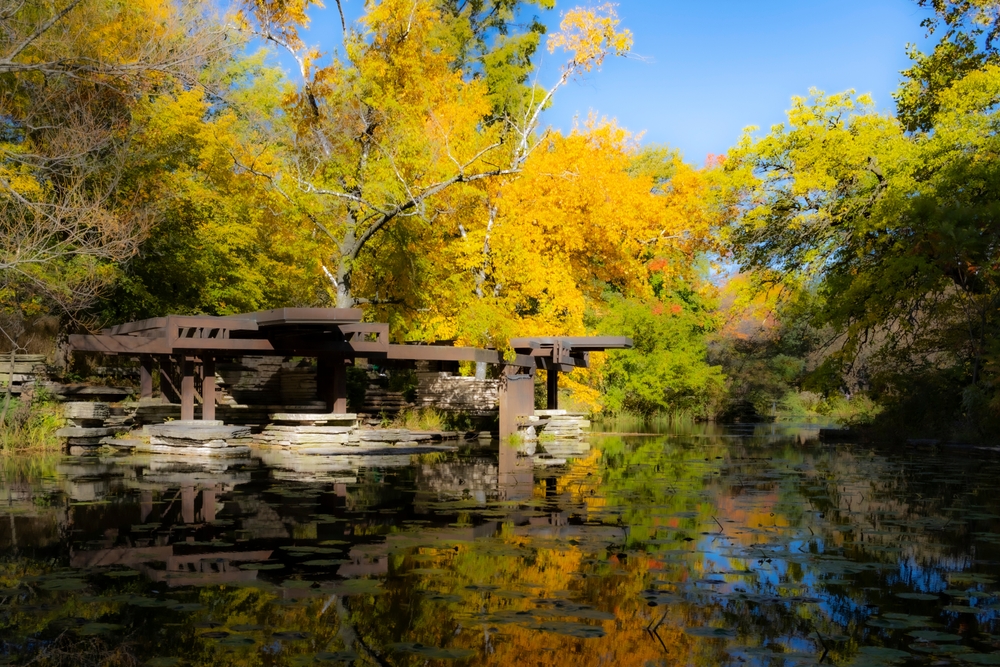
The Alfred Caldwell Lily Pool is a small landscaped garden beside Lincoln Park Zoo.
It has stone paths, a waterfall, and a pool that attracts birds, dragonflies, frogs, and turtles.
Landscape architect Alfred Caldwell redesigned it in the 1930s to resemble a Midwestern river landscape.
The stone edges suggest limestone bluffs, and the waterfall represents the river’s source.
It’s worth adding to a Lincoln Park visit, particularly if you enjoy gardens or want a short walk between attractions.
You can explore it without setting aside a whole afternoon.
Plan your visit: Enter at 125 W. Fullerton Parkway.
The pool normally opens from mid-April to mid-November, with additional closures during the Air and Water Show
. Check the Alfred Caldwell Lily Pool visitor page.
You’ll find more gardens, walks and cultural attractions in our guide to free things to do in Chicago.
Hidden Gems in Chicago: Chicago Magic Lounge
Chicago Magic Lounge hides its entrance behind a launderette facade.
Inside, you’ll find a performance bar and theater with close-up and stage magic.
The venue draws on Chicago’s tradition of bar magic, where tricks happen right in front of the audience.
You’re close enough to watch the magician’s hands, which makes it particularly frustrating when you still can’t work out what happened.
For unique things to do in Chicago after dark, this is a good alternative to a standard bar visit.
You can choose a full theatre performance or visit the performance bar without theatre tickets.
This is one of the fun hidden gems in Chicago.
Plan your visit: Book ahead for theatre shows and check what your chosen ticket includes.
The venue is 21+, although guests aged 16–20 may attend with a legal guardian.
Allow an evening rather than trying to squeeze it between other bookings. See Chicago Magic Lounge’s shows and visitor information.
Planning another evening out?
Here are more things to do in Chicago at night
International Museum of Surgical Science
The International Museum of Surgical Science displays medical instruments, artifacts and art inside a historic Lake Shore Drive mansion.
The collection explores how surgery and medicine developed.
The building, originally the Eleanor Robinson Countiss House, is another reason to visit,
especially if you’re interested in Chicago’s historic homes.
Allow enough time to explore the galleries rather than treating it as a quick stop.
It also works as an indoor option when the weather makes a lakefront walk less appealing.
Plan your visit: The address is 1524 N. Lake Shore Drive.
Allow around one to two hours and check the museum’s accessibility information before visiting.
Find current visitor details and read about the historic house.
If you enjoy exploring different collections, browse our guide to museums in Chicago.
Hidden Gems in Chicago: Glessner House
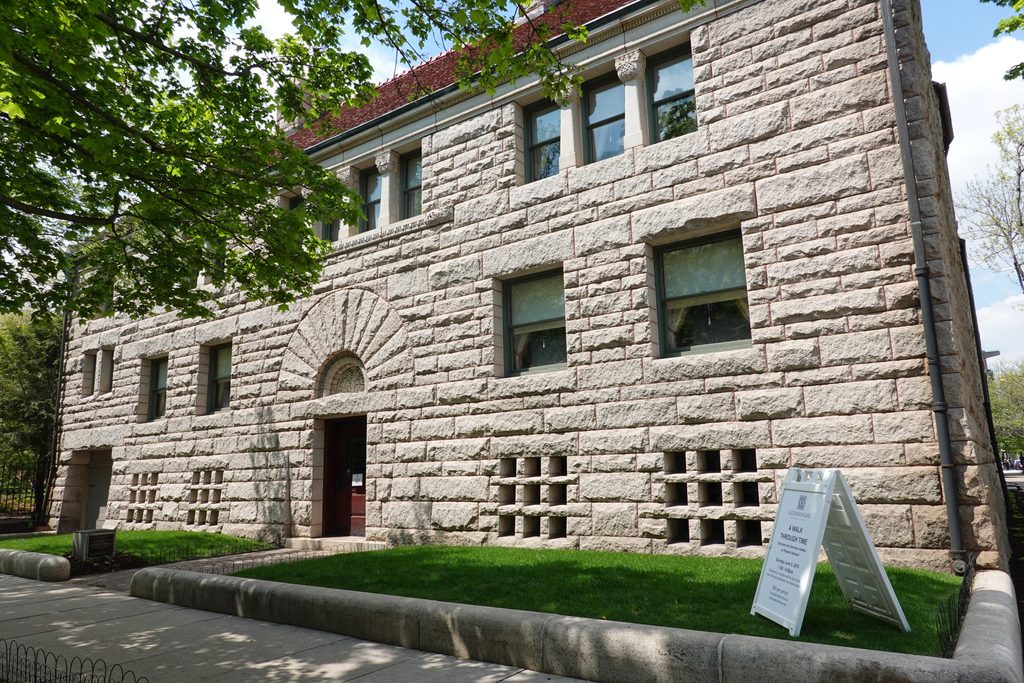
Glessner House gives you a look inside a wealthy Chicago household of the late 19th century.
Designed by Henry Hobson Richardson and completed in 1887, the house contains a substantial collection of original family possessions.
The full house tour includes family rooms, servant spaces, the coach house and courtyard.
The tour explains how the family and their servants lived, as well as the building’s architecture.
Leave a little time afterwards to walk along Prairie Avenue.
Plan your visit: The full house tour lasts 75 minutes, and advance booking is recommended.
Self-guided visits aren’t available. The house currently states that it is not ADA accessible, and children under five aren’t permitted on tours.
Check the entrance instructions when booking.
See Glessner House’s tour and visitor information.
Hidden Gems in Chicago: Palmisano Park
At Palmisano Park, you can walk beside old quarry walls, follow paths through wetlands and climb a grassy hill for views towards downtown.
The site was once a working quarry and later a landfill for construction debris.
When it became a park, the design kept some of the quarry’s features, including the exposed rock around the pond.
The lower paths give you the best look at the quarry walls, while the hill offers a different view of the city.
It is one of the outdoor hidden gems in Chicago you won’t want to miss.
Plan your visit: The main address is 2700 S. Halsted Street.
Allow about an hour for the pond and hill, and expect different path surfaces and slopes.
The park’s audio tour explains its history and landscape.
Find the Palmisano Park audio tour and visitor details.
Montrose Point Bird Sanctuary
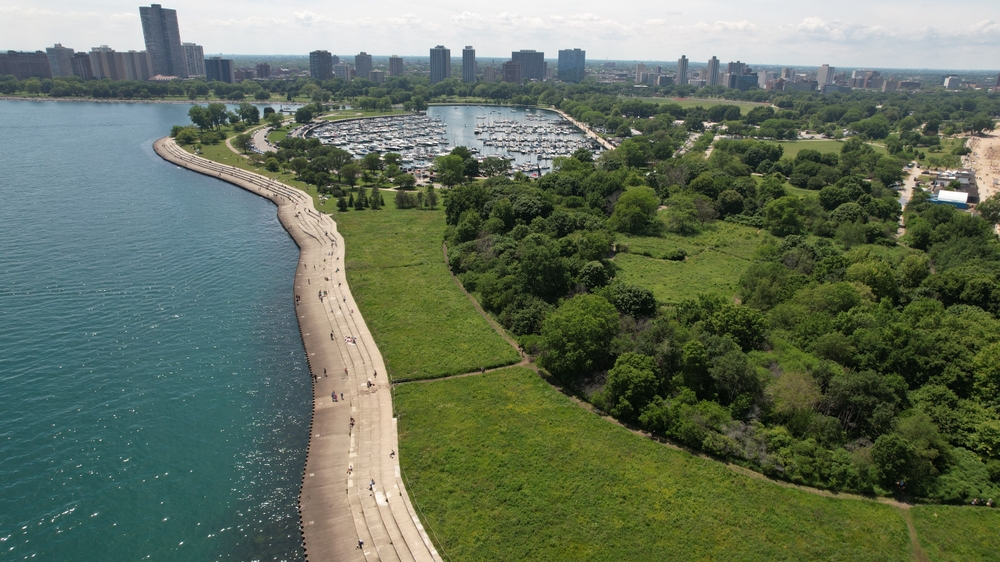
Montrose Point Bird Sanctuary has paths through woodland, prairie and shrubs beside the lake and of coarse lots of birds.
Its best-known feature is the “Magic Hedge”, a stretch of vegetation that attracts migrating birds.
More than 300 bird species have been recorded across the sanctuary and neighbouring Montrose Beach Dunes.
Spring and autumn migration are particularly interesting times to visit.
Bring binoculars if you have them it will make it much easier to see the birds.
Plan your visit: The sanctuary opens from dawn to dusk and has an accessible paved loop.
Stay on designated paths and keep noise low.
Find directions and visitor information for Montrose Point Bird Sanctuary.
For more outdoor activities during the warmer months, explore our guide to summer in Chicago.
Hidden Gems in Chicago: Quimby’s Bookstore
Quimby’s sells zines, independent comics, small-press books and art publications.
It’s a good stop if you like finding things you’re unlikely to see in a chain bookshop.
The selection here includes personal writing, music, illustration and specialist interests.
If you’re unfamiliar with zines, they’re independently produced publications that can cover almost anything, often from a very personal perspective.
Browse a few unfamiliar titles or ask for a recommendation based on your interests.
For writers, artists and readers, it’s an easy addition to an afternoon in Wicker Park.
One of the best hidden gems in Chicago.
Plan your visit: Quimby’s is at 1854 W. North Avenue.
Its current published opening time is noon, so plan an afternoon visit. The shop also hosts readings and other events.
Check Quimby’s opening times and events.
Osaka Garden
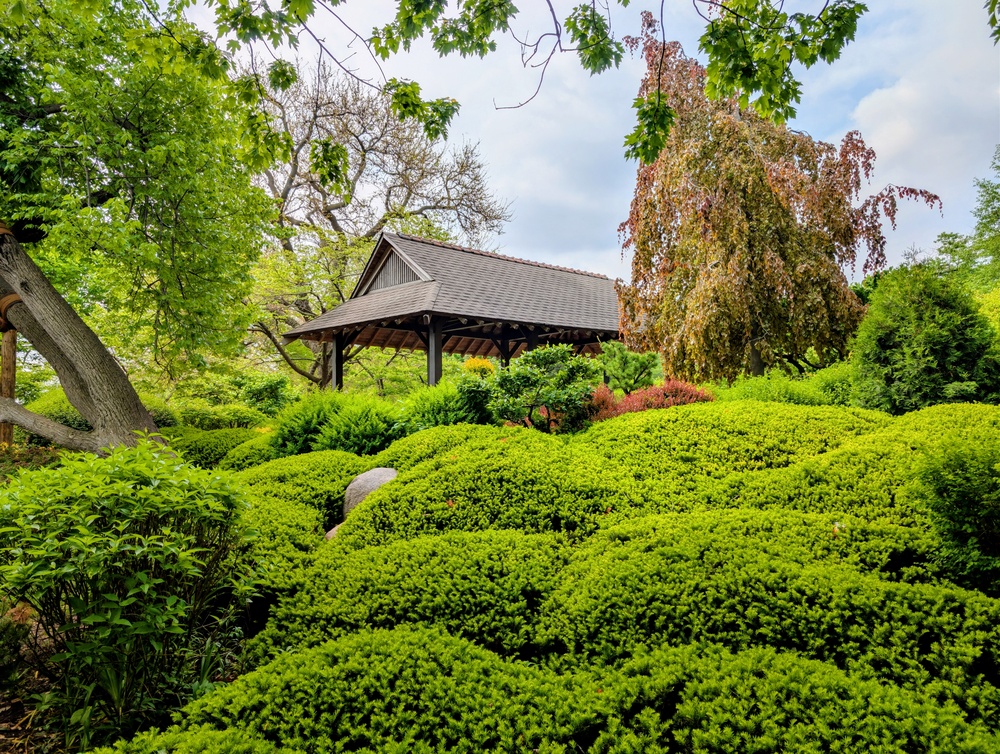
Osaka Garden, also known as the Garden of the Phoenix, is a Japanese garden on Wooded Island in Jackson Park.
You’ll find waterside paths and trees leaning over the water.
Its picture perfect with a history that connects to Japan’s presence at Chicago’s 1893 World’s Columbian Exposition.
Staff are available during operating hours to answer questions about the garden and surrounding park.
It’s worth asking about its history, especially if you’re interested in the World’s Fair.
Use the garden’s exact location when planning your journey. Jackson Park is large so you want to make sure you get the exact spot.
Plan your visit: The garden currently opens Tuesday–Sunday, 10am–6pm, and closes on Mondays.
Its rules prohibit photography, dogs, bikes, strollers and picnics.
Groups of more than five should request a visit in advance. Check Osaka Garden’s current visitor rules and opening times.
How to Plan Your Visits
Choose two or three hidden gems in Chicago that interest you, then check their locations and opening days before building your itinerary.
- For unusual museums: Choose the Insect Asylum for insects, taxidermy and workshops, or the surgical museum for medical history.
- For architecture: Fit the Rookery into a downtown weekday, or book Glessner House for a longer historic-house visit.
- For shops and creative art: Visit Quimby’s during an afternoon in Wicker Park. The Insect Asylum is farther along Milwaukee Avenue, so allow travel time if combining them.
- For outdoor time: Pick the Lily Pool for a short stop, Montrose Point for birdwatching or Palmisano Park for somethign more unusual and city views.
- For an evening out: Book Chicago Magic Lounge first, then arrange dinner around your show.
My Travel Tips: the opening hours and booking requirements can often change in smaller venues so check beforehand and on the day of travel to avoid disappointment.
Where possible, combine a visit to one of these places with a journey yoou are already making to save yourself travel time.
If you’re visiting for a short break, use our weekend in Chicago itinerary as a starting point and swap in your favourite places from this list.
Still deciding where to base yourself? Our guide to where to stay in Chicago covers neighbourhoods and hotel options.
 18 Best Free Things to Do in Chicago: Downtown, Beaches and More